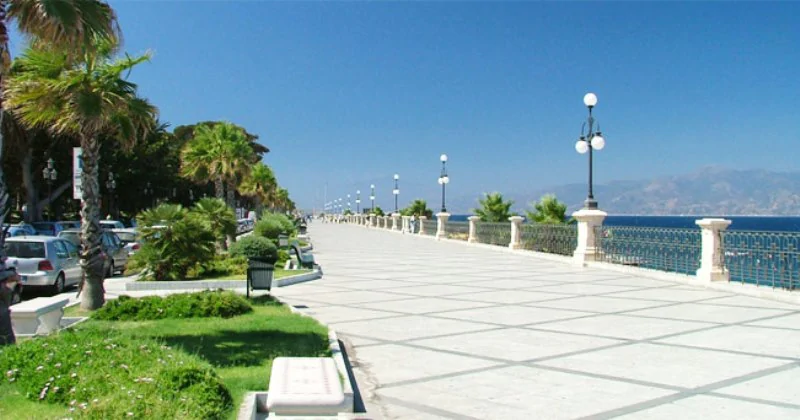
Lungomare Falcomatà and the Strait of Messina
Stretching along the coast of Reggio Calabria, Lungomare Falcomatà is a scenic promenade overlooking the Strait of Messina, where geography, history, myths, and urban life meet. A place shaped by earthquakes, rebirths, and centuries of Mediterranean culture.
How to get to Reggio Calabria
Train 🚆
- To and from Reggio Calabria
- Direct rail connections with major cities in Calabria and Southern Italy.
Hydrofoil 🚤
- To and from Reggio Calabria
- High-speed Liberty Lines hydrofoils operate daily between Messina and Reggio Calabria with multiple departures.
The Strait of Messina A Natural Force That Shaped Civilizations
Between Calabria and Sicily, the Strait of Messina has influenced myths, navigation, and settlements for millennia, becoming a natural crossroads between seas, cultures, and historical eras.
The Strait of Messina: Geography, Currents, and Ancient Legends
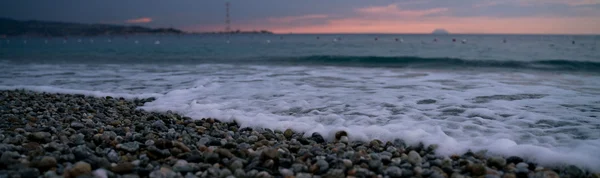
The Strait of Messina is one of the most fascinating and complex marine passages in the Mediterranean. This narrow channel separates Calabria from Sicily while connecting the Tyrrhenian and Ionian Seas. Due to its unique funnel-shaped geography, framed by the Aspromonte mountains and the Peloritani range, the strait generates powerful and alternating currents. These waters have influenced navigation routes since antiquity, making the passage both essential and dangerous. As a result, ancient sailors feared its whirlpools and sudden changes in flow. Over time, these natural phenomena gave rise to the legendary myths of Scylla and Charybdis, described by Homer as monstrous guardians of the sea. Moreover, the strait plays a crucial ecological role, supporting rich marine biodiversity and seasonal fish migrations. Even today, the Strait of Messina remains a living natural system, where science, mythology, and daily maritime activity coexist in constant interaction.
A Natural Corridor Between Two Seas and Cultures
Rather than acting as a barrier, the Strait of Messina has always functioned as a bridge between lands and civilizations. Throughout history, it served as a strategic maritime corridor linking the eastern and western Mediterranean. Greek colonists, Roman fleets, Byzantine merchants, and Norman warriors all crossed these waters, leaving traces of their presence on both shores. Consequently, Calabria and Sicily developed shared cultural elements, from architectural styles to linguistic influences. In addition, the strait played a key defensive role, allowing control over one of southern Italy’s most important sea passages. Trade, fishing, and military observation flourished thanks to its central position. Today, ferries and cargo ships continue this ancient rhythm of movement, while fishermen still adapt their techniques to the strong currents. Therefore, the Strait of Messina remains a dynamic space where geography directly shapes economy, identity, and human interaction.
Via Marina and Lungomare Falcomatà A Seafront Rebuilt from Ruins
Born from earthquakes and urban renewal, Lungomare Falcomatà reflects Reggio Calabria’s ability to transform destruction into beauty, creating one of the most scenic promenades in the Mediterranean.
From Earthquakes to Urban Vision: The Birth of the Falcomatà Seafront
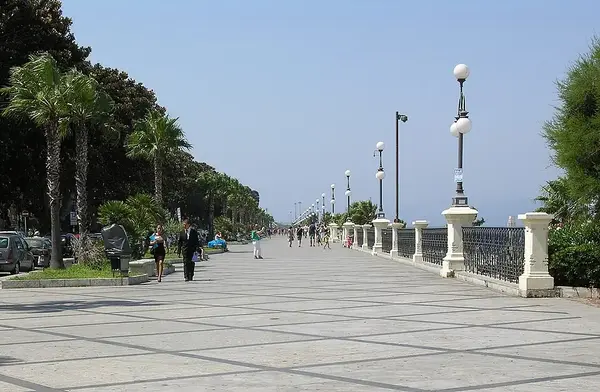
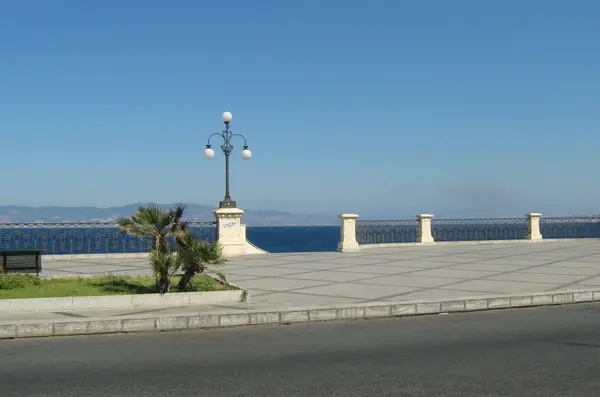
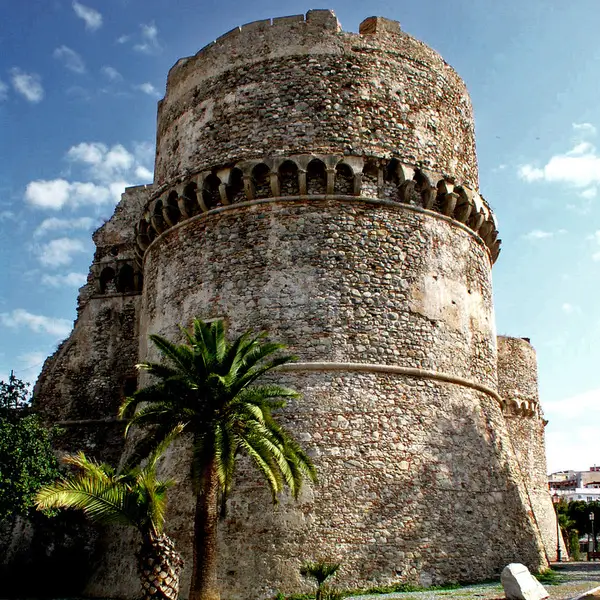
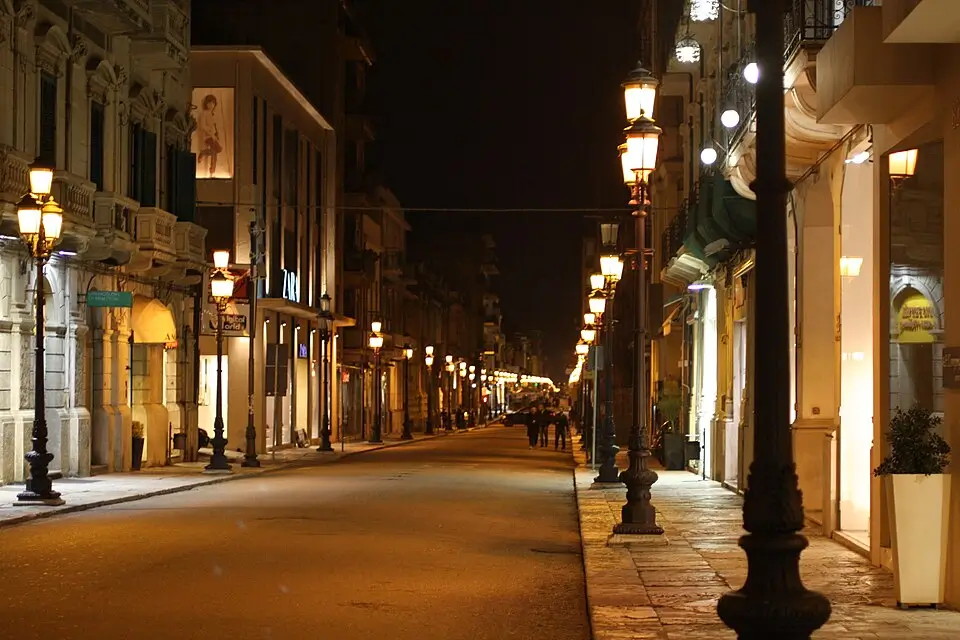
The history of Via Marina and Lungomare Falcomatà is deeply linked to natural disasters and visionary urban planning. After the devastating earthquake of 1783, Reggio Calabria began dismantling its medieval walls to open the city toward the sea. This process accelerated after the catastrophic earthquake of 1908, which destroyed much of the historic center. In response, architect Pietro De Nava designed a modern reconstruction plan based on wide streets, rational layouts, and elegant Liberty-style buildings facing the coast. As a result, Via Marina became the city’s main urban axis overlooking the Strait of Messina. Over the decades, further interventions enhanced public access through palm-lined walkways, terraces, and panoramic viewpoints. Today, Lungomare Falcomatà is not only an architectural achievement, but also a symbol of resilience, reflecting the city’s capacity to rebuild and redefine itself through harmony between urban space and natural landscape.
Art, Memory, and the Living Waterfront of Reggio Calabria
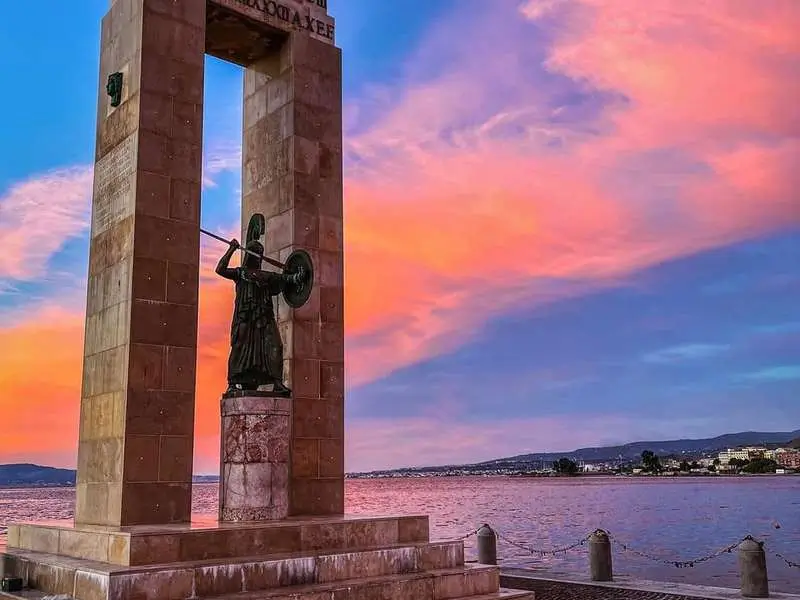
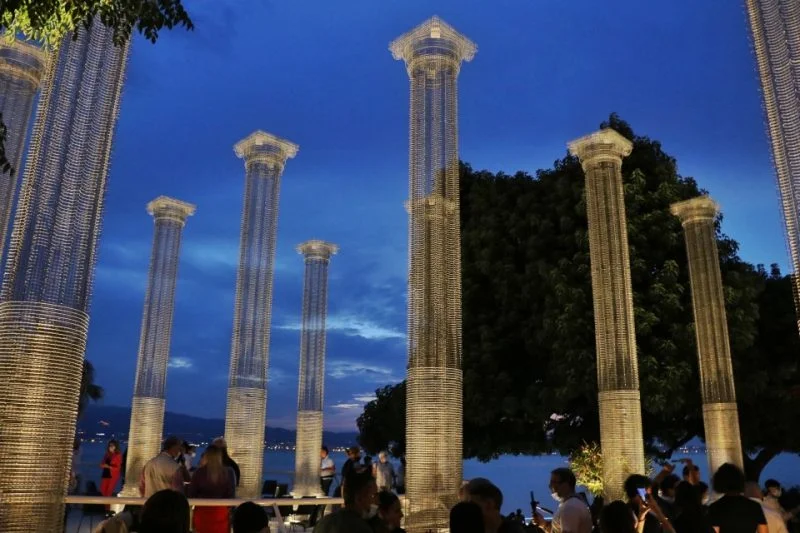
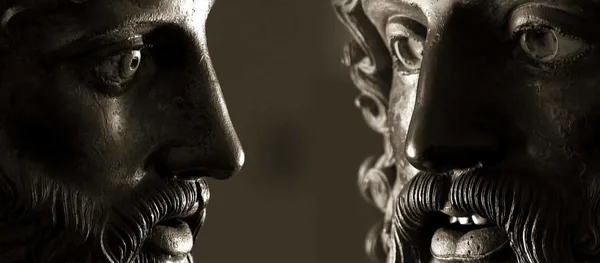
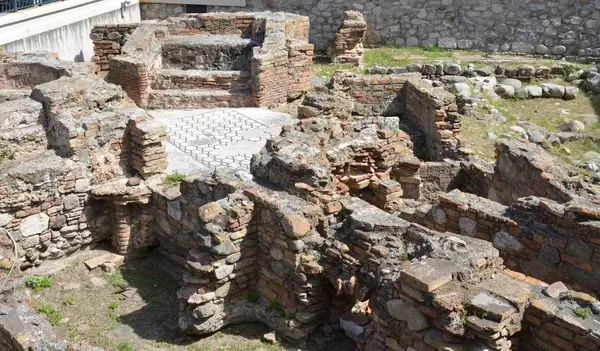
Walking along Lungomare Falcomatà means experiencing a layered cultural landscape where past and present continuously interact. The seafront hosts archaeological remains from ancient Greek and Roman periods, alongside refined buildings from the late 19th and early 20th centuries. Landmarks such as Villa Zerbi, Palazzo Spinelli, and Palazzo Zani narrate the city’s rebirth after destruction. Furthermore, contemporary art installations enrich the promenade, including Edoardo Tresoldi’s monumental sculpture and the expressive works by Rabarama. The Arena dello Stretto opens toward the sea, offering a stage for cultural events framed by views of Sicily. Just a short walk away, the National Archaeological Museum preserves the world-famous Riace Bronzes, internationally searched as bronzi di Riace. Altogether, Lungomare Falcomatà stands as a living waterfront, where memory, creativity, and Mediterranean identity converge.
10 Wonders of Reggio Calabria: 6 Must-See Attractions & 4 Hidden Gems
Reggio Calabria is a city where history, sea, and culture meet in a unique Mediterranean landscape. This curated selection highlights the 10 most remarkable places to experience the city and its surroundings.
Explore the 10 essential wonders of Reggio Calabria, combining iconic landmarks and authentic hidden gems. From world-famous archaeological treasures to coastal landscapes and cultural traditions, this guide brings together the most complete way to discover the territory.

Eat, Drink & Shop
Just tap an icon to find places near you.
Quick Essentials
Need medicine, cash or daily essentials? Find nearby pharmacies, supermarkets and ATMs in one tap.
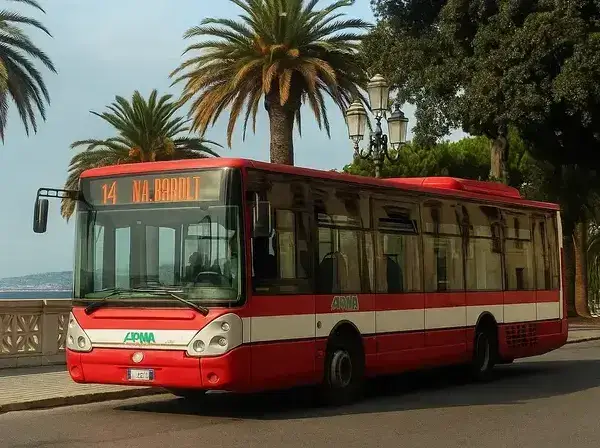
Line Bus Reggio Calabria
Find the stops, schedules, and connections for each direction and plan your trip easily.
Bus Tickets


Explore Nearly Attractions
Just steps from Lungomare Falcomatà, uncover more of Reggio Calabria’s gems and hidden treasures