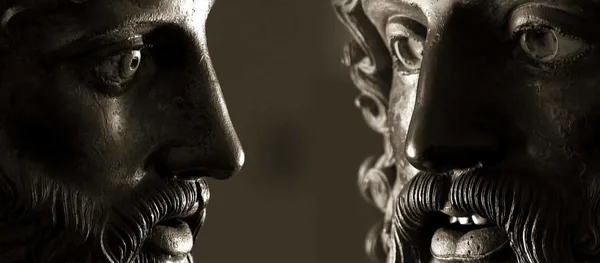
Bronzi di Riace Ancient Greek Warriors from the Sea
Discovered by chance beneath the Ionian Sea, the Bronzi di Riace are among the most extraordinary masterpieces of ancient Greek sculpture. These bronze warriors, preserved for over two thousand years underwater, embody art, mystery, and the enduring legacy of Magna Graecia.
Opening Days and Hours
- Tuesday to Sunday: 09:00 – 20:00
- Last admission: 19:30
- Monday: Closed
Ticket Prices:
- Full ticket: €10.00.
- Full ticket (exhibition + museum): €13.00
- Full ticket (exhibition only): €5.00
- Ages 18–25: €2.00
- Ages <18: Free admission
- Read site regulations
A Discovery That Changed Archaeology
From a casual dive in 1972 to global recognition, the bronzi di riace reveal a dramatic story of chance, recovery, and ancient craftsmanship, marking one of the most important archaeological discoveries of the 20th century.
The Discovery Beneath the Ionian Sea
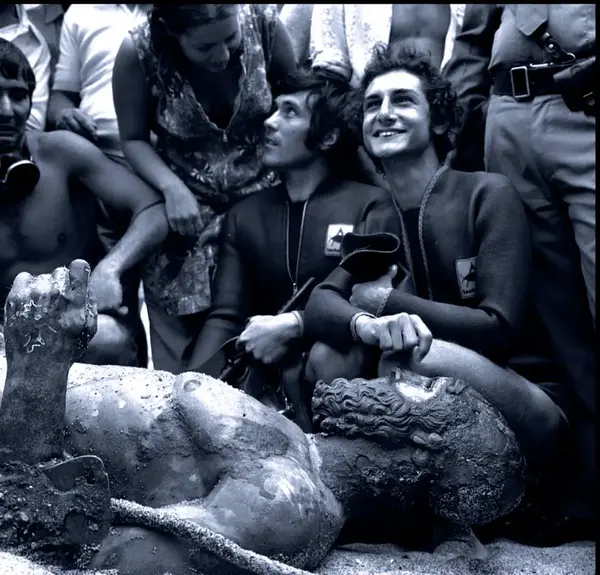
The modern story of the bronzi di riace began on August 16, 1972, when a young diver, Stefano Mariottini, spotted what appeared to be a human arm emerging from the seabed near Riace Marina. Lying at a depth of about eight meters, the two bronze statues had rested undisturbed for nearly two millennia. Their recovery immediately revealed the exceptional nature of the find. Weighing hundreds of kilograms and remarkably preserved, the riace bronze statues quickly captured international attention. Their emergence from the sea transformed a quiet stretch of the Calabrian coast into the site of one of the greatest archaeological discoveries in modern history.
From the Sea to the Museum
Following their recovery, the riace bronzes faced a long and delicate journey of conservation and study. Initially transferred to Florence, the statues underwent extensive restoration to remove marine encrustations and internal casting materials that had accumulated over time. These interventions drastically reduced their weight and revealed extraordinary technical details, from the precision of the musculature to the use of mixed materials such as copper, silver, and ivory. Further restoration campaigns took place in Reggio Calabria, refining preservation techniques and deepening scholarly knowledge. Today, the bronzi di riace di reggio calabria are displayed in a specially designed environment at the National Archaeological Museum, ensuring both protection and public access.
Warriors, Myths, and Eternal Beauty
Beyond their physical perfection, the riace bronzes embody heroic ideals, artistic innovation, and unresolved mysteries that continue to inspire historians, archaeologists, and visitors from around the world.
Who Do the Riace Bronzes Represent?
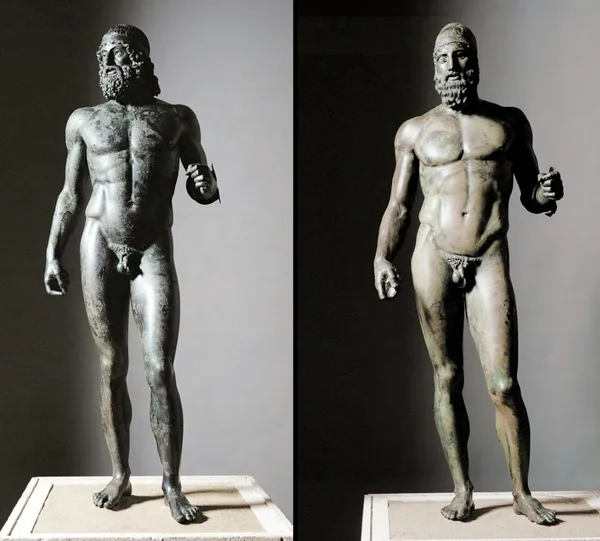
Known as Bronze A and Bronze B, the riace bronze statues depict two nude warriors, slightly larger than life, portrayed in a dynamic yet balanced stance typical of early Classical Greek art. Once equipped with helmets, shields, and spears, they exemplify the concept of heroic nudity, where physical perfection reflects moral and civic virtue. Scholars have proposed numerous identifications, ranging from generic hoplites to mythological heroes linked to the legendary Seven Against Thebes. Stylistic analysis suggests they were crafted by different masters, possibly in Argos and Athens, yet conceived to function as part of a unified monumental program. This ambiguity enhances the enduring fascination of the riace bronzes.
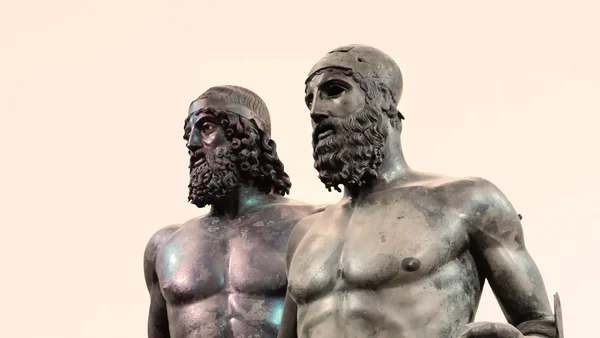
Symbols of Classical Beauty and Cultural Identity
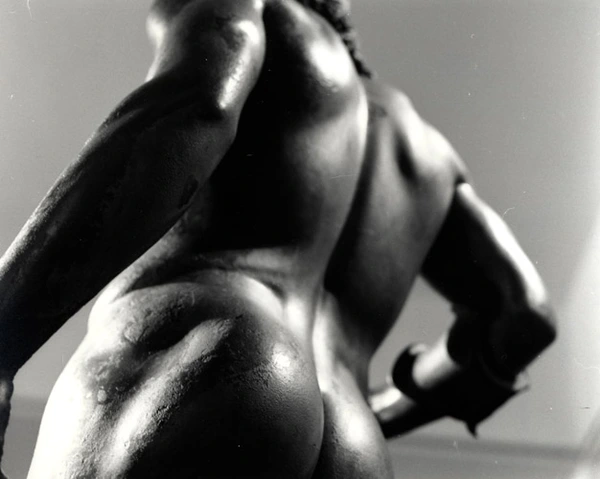
The bronzi di riace are celebrated not only for their technical mastery but also for their philosophical meaning within Greek culture. In ancient Greece, beauty was inseparable from virtue, strength, and harmony, ideals perfectly embodied by these statues. Their meticulously rendered anatomy, naturalistic posture, and expressive faces reflect a vision of humanity elevated toward the divine. Today, the riace bronzes stand as global symbols of classical art and as cultural ambassadors of Calabria and Magna Graecia. Preserved and displayed in Reggio Calabria, they connect past and present, transforming an ancient shipwreck into a timeless narrative of human creativity and excellence.
10 Wonders of Reggio Calabria: 6 Must-See Attractions & 4 Hidden Gems
Reggio Calabria is a city where history, sea, and culture meet in a unique Mediterranean landscape. This curated selection highlights the 10 most remarkable places to experience the city and its surroundings.
Explore the 10 essential wonders of Reggio Calabria, combining iconic landmarks and authentic hidden gems. From world-famous archaeological treasures to coastal landscapes and cultural traditions, this guide brings together the most complete way to discover the territory.


Eat, Drink & Shop
Just tap an icon to find places near you.
Quick Essentials
Need medicine, cash or daily essentials? Find nearby pharmacies, supermarkets and ATMs in one tap.
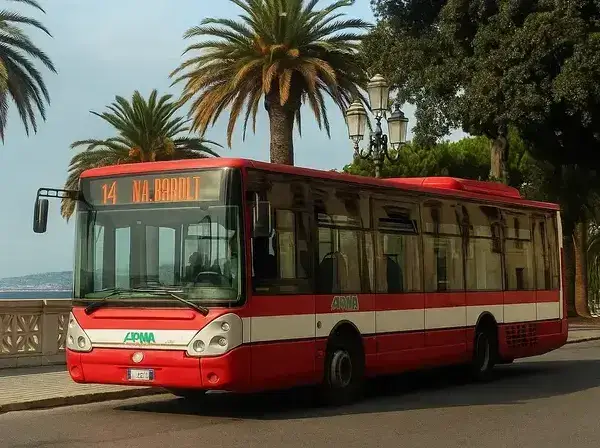
Line Bus Reggio Calabria
Find the stops, schedules, and connections for each direction and plan your trip easily.
Bus Tickets


Explore Nearly Attractions
Just steps from National Archaeological Museum of Reggio Calabria, uncover more of Reggio Calabria’s gems and hidden treasures